27 Sep 2026
Decoding the Interconnected Web of Licensing Bodies and Their Impact on Cross-Border Mobile Gambling Operations
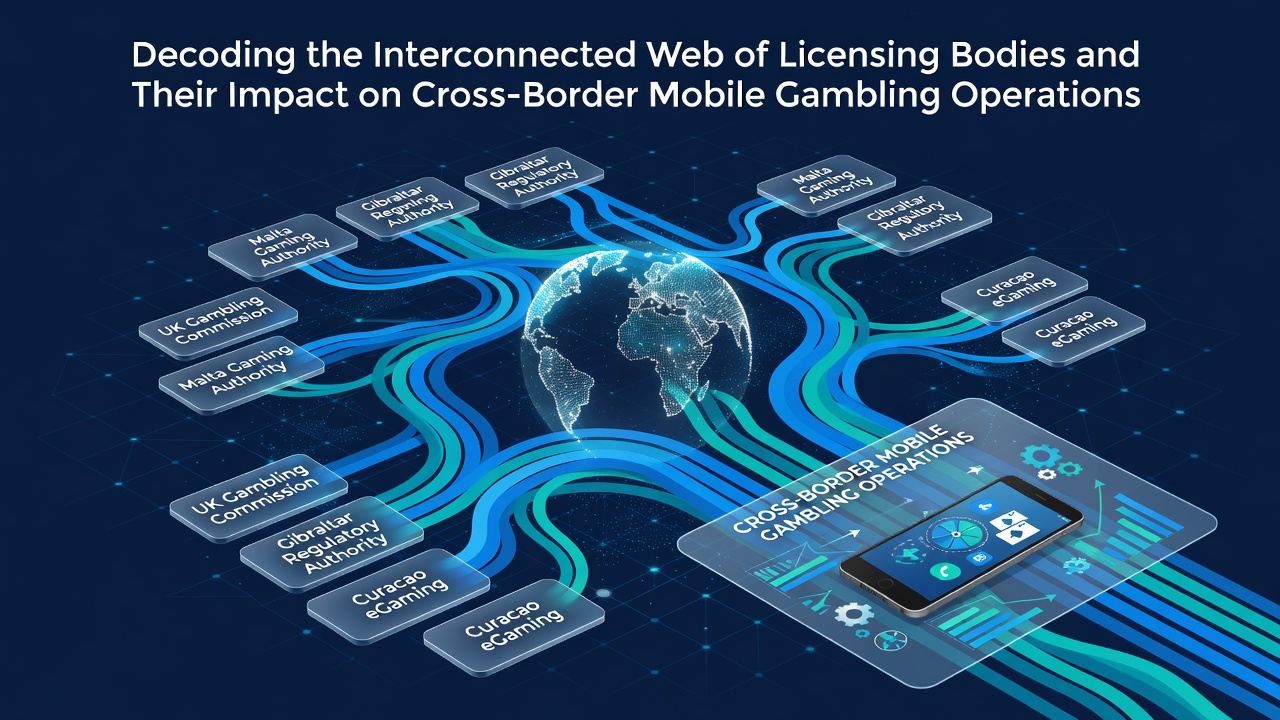
Cross-border mobile gambling operates within a dense network of licensing authorities whose rules often overlap yet remain distinct across jurisdictions, and this structure shapes how operators deliver services to users worldwide. Regulatory frameworks from bodies such as the Malta Gaming Authority, the Kahnawake Gaming Commission, and various state-level agencies in the United States create layers of compliance that companies must navigate simultaneously when expanding beyond single markets.
Key Licensing Authorities and Their Geographic Reach
The Malta Gaming Authority maintains one of the most widely recognized licenses for online and mobile operations, granting operators access to multiple European markets while requiring adherence to strict technical standards for player protection and financial reporting. In contrast, the Curacao eGaming licensing system focuses on streamlined approval processes that appeal to operators targeting Latin American and Asian audiences, although its lighter oversight has prompted calls for tighter coordination with international bodies. Researchers tracking these differences note that operators holding multiple licenses often adjust their platform features based on the strictest requirements among the jurisdictions they serve.
North American regulators add further complexity. The Nevada Gaming Control Board enforces rigorous standards for mobile sports betting and casino games, and these rules influence how platforms handle geolocation verification when users cross state lines. Meanwhile, Canadian provincial authorities like the Alcohol and Gaming Commission of Ontario have introduced licensing regimes that allow mobile operators to serve residents directly, creating new pathways for cross-border play that were previously restricted.
Interconnections Between Regulatory Systems
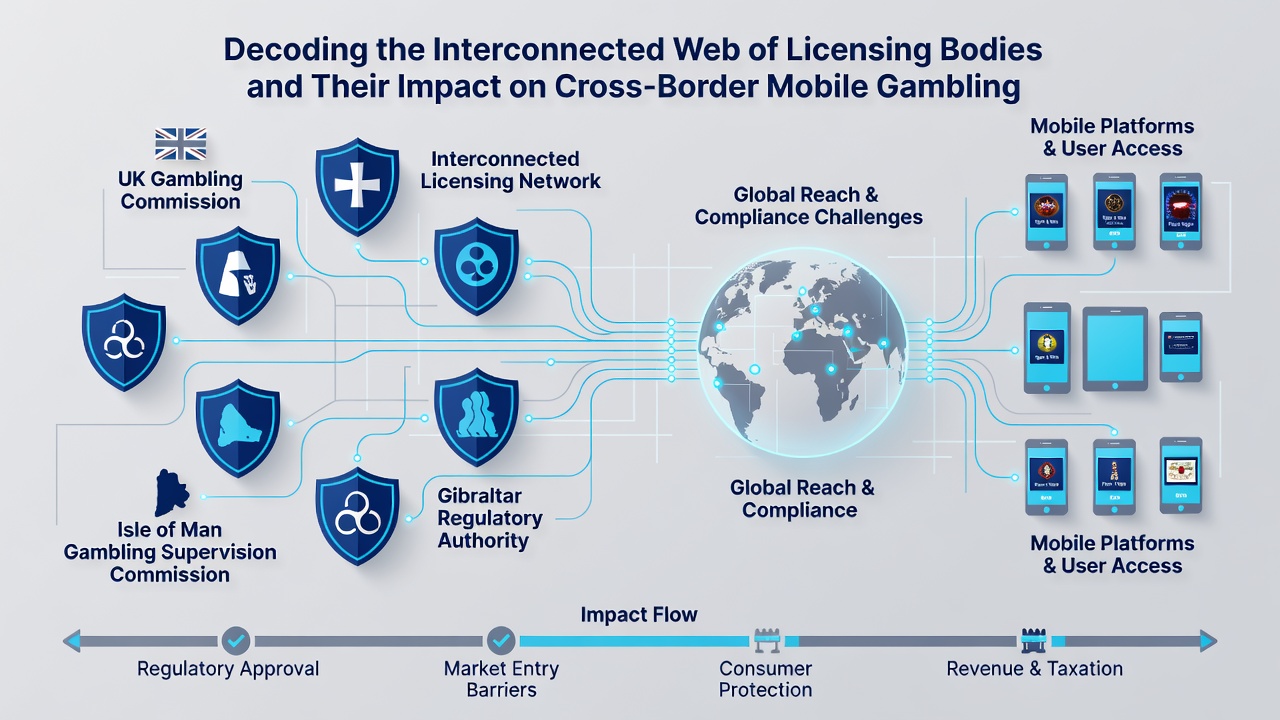
Licensing bodies frequently share data and cooperate through informal networks rather than formal treaties, and this practice affects how quickly operators can launch new mobile features. For instance, information on player behavior flagged in one jurisdiction can reach authorities in another through joint working groups, leading to synchronized enforcement actions. Observers note that such exchanges have accelerated since the mid-2020s, particularly as mobile traffic volumes grew and operators sought licenses in multiple regions at once.
What's interesting is how mutual recognition agreements reduce some friction. Several European Economic Area countries accept licenses from fellow member states under certain conditions, allowing operators to avoid redundant audits when expanding mobile offerings. Yet this system does not extend to all global markets, forcing companies to maintain separate compliance teams for regions outside these agreements.
Effects on Mobile Gambling Operations in 2026
By September 2026, several planned updates to cross-border licensing protocols are scheduled to take effect, including enhanced reporting requirements for operators serving users across the European Union and select Asian markets. These changes stem from ongoing discussions among regulators about standardizing data formats for real-time transaction monitoring, and they require mobile platforms to integrate new APIs that transmit compliance information directly to multiple authorities. Data from industry reports indicate that operators who prepared early for these shifts have maintained uninterrupted service, while others face temporary restrictions until their systems align.
The interplay between licensing conditions and mobile technology also surfaces in areas such as geofencing and age verification. Authorities in Australia and New Zealand have coordinated on shared technical guidelines that operators must follow when offering mobile casino games across the Tasman Sea, and this collaboration has reduced instances of unauthorized access. Studies from research institutions show that such harmonized approaches lower operational costs for compliant companies, although they demand ongoing investment in software updates.
Challenges for Operators and Enforcement Trends
Operators active in cross-border mobile gambling frequently encounter situations where a single technical feature satisfies one regulator but violates another. Payment processing rules provide a clear example: some jurisdictions mandate local banking partners, while others permit international gateways, and companies must segment their user bases accordingly to remain compliant. Figures from regulatory filings reveal that disputes over these requirements have led to license reviews in multiple regions during recent years.
Enforcement actions have increasingly targeted non-compliant mobile platforms, with authorities sharing evidence through established channels. The result is faster resolution of violations but also greater pressure on operators to monitor regulatory updates continuously. Those who track developments across licensing bodies report that proactive engagement with industry associations helps anticipate shifts before they become mandatory.
Conclusion
The web of licensing bodies governing cross-border mobile gambling continues to evolve through both formal agreements and practical cooperation, and operators must balance diverse requirements to sustain global reach. As updates scheduled for September 2026 approach, the emphasis on shared data standards and technical interoperability is likely to intensify, shaping how mobile services expand into new territories while maintaining regulatory alignment across regions.