11 Oct 2026
Tracing Algorithmic Tweaks Behind Session Durations in Remote Gambling Platforms
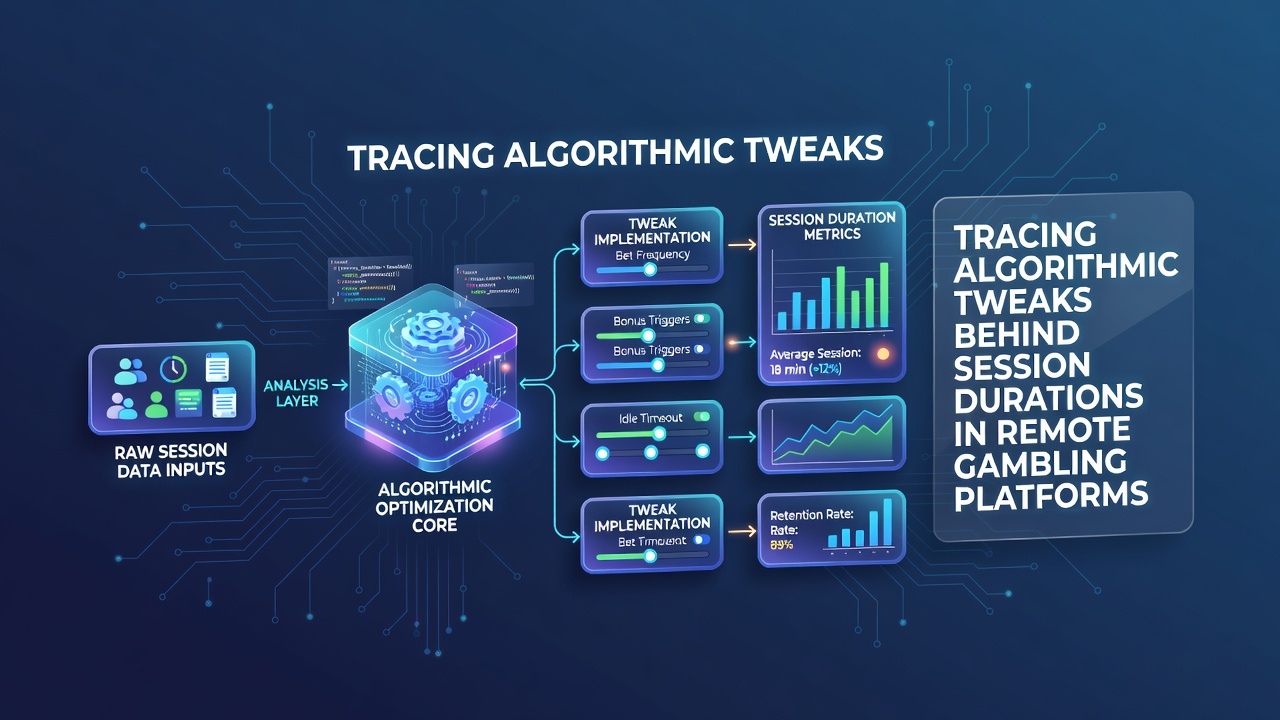
Remote gambling platforms rely on sophisticated algorithms to monitor and adjust player session lengths, with operators collecting vast amounts of behavioral data that feed into real-time decision systems. These systems track metrics such as bet frequency, win rates, and time spent on individual games, then apply targeted modifications to game parameters including payout structures, bonus trigger rates, and interface pacing. Data from industry reports indicate that session duration optimization has become a core focus for platform developers since the widespread adoption of cloud-based analytics tools in the mid-2020s.
Data Collection Mechanisms in Remote Environments
Operators gather information through client-side logging that captures every interaction on mobile and desktop interfaces, while server-side processing aggregates these inputs into player profiles updated every few seconds. Researchers at institutions studying digital behavior have documented how machine learning models classify users into segments based on engagement patterns, allowing platforms to deploy different adjustment strategies for each group. In October 2026, several major platforms began integrating enhanced telemetry standards that standardized data formats across different jurisdictions, which improved the accuracy of cross-border session analysis.
These tweaks often involve subtle changes such as altering the speed of reel spins or modifying the frequency of near-miss outcomes, and studies from academic sources show that even minor adjustments can extend average playtime by measurable percentages. One analysis of anonymized platform logs revealed that dynamic difficulty scaling, where winning streaks trigger increased house edges in subsequent rounds, correlates with longer sessions among certain demographics.
Algorithmic Techniques and Their Implementation
Modern platforms employ reinforcement learning agents that test multiple parameter combinations on live player cohorts, selecting the variant that maximizes desired outcomes without triggering regulatory flags. Observers note that these agents operate within strict boundaries set by licensing requirements, yet they retain flexibility to experiment with elements like autoplay limits and notification timing. The process relies on A/B testing frameworks that run continuously, comparing control groups against experimental ones to refine session extension tactics.
According to reports from the New Jersey Division of Gaming Enforcement, platforms must maintain audit trails for all algorithmic changes, which allows regulators to review how adjustments influence player behavior over time. This requirement has led to the development of transparent logging systems that record every parameter shift alongside its measured impact on session metrics.

Regional Regulatory Influences on Algorithm Design
Different jurisdictions impose varying constraints on how platforms can modify game dynamics, which forces developers to create modular algorithms capable of switching rule sets based on player location. European regulators outside the UK have emphasized transparency in bonus mechanics, prompting operators to embed explainable AI components that document why specific tweaks occur during a session. Australian research institutions have published findings on how session duration correlates with responsible gambling interventions, leading platforms to integrate mandatory break prompts at algorithmically determined intervals.
Canadian provincial authorities have focused on data privacy aspects, requiring that player profiles used for session optimization remain anonymized during processing. These rules have encouraged the adoption of federated learning techniques, where models train on decentralized datasets without centralizing sensitive information.
Technical Challenges in Maintaining Compliance
Developers face the ongoing task of balancing session extension goals with fairness requirements, since overly aggressive adjustments risk violating game integrity standards enforced by bodies such as the Malta Gaming Authority. Platform logs must demonstrate that random number generators remain unaltered even when other parameters shift, and third-party testing labs conduct regular reviews to verify compliance. Experts have observed that the rise of live dealer integrations adds another layer of complexity, as algorithms must synchronize video stream pacing with betting interface modifications to keep sessions cohesive.
Industry associations have released guidelines that recommend documenting the rationale behind each algorithmic change, which helps operators demonstrate that tweaks serve entertainment rather than exploitation purposes. Data from these compliance efforts show that platforms investing in robust monitoring tools experience fewer regulatory inquiries related to session management practices.
Conclusion
Algorithmic management of session durations continues to evolve as platforms incorporate new data sources and respond to shifting regulatory landscapes across multiple regions. The integration of standardized telemetry protocols in October 2026 marked a notable step toward greater consistency in how operators track and adjust player engagement. Those who study these systems note that ongoing advancements in machine learning will likely introduce further refinements, while regulatory bodies maintain oversight through mandatory reporting and audit requirements.